An amulet specialist has made an interesting observation that the faith and popularity of Thai Buddhists in worshipping amulets remains strong and undiminished, with clear evidence from amulet competitions that continue to attract enthusiastic participation, reflecting that reverence for this type of sacred object still runs deep in Thai society.
Foundations of Amulet Belief in Thai Society
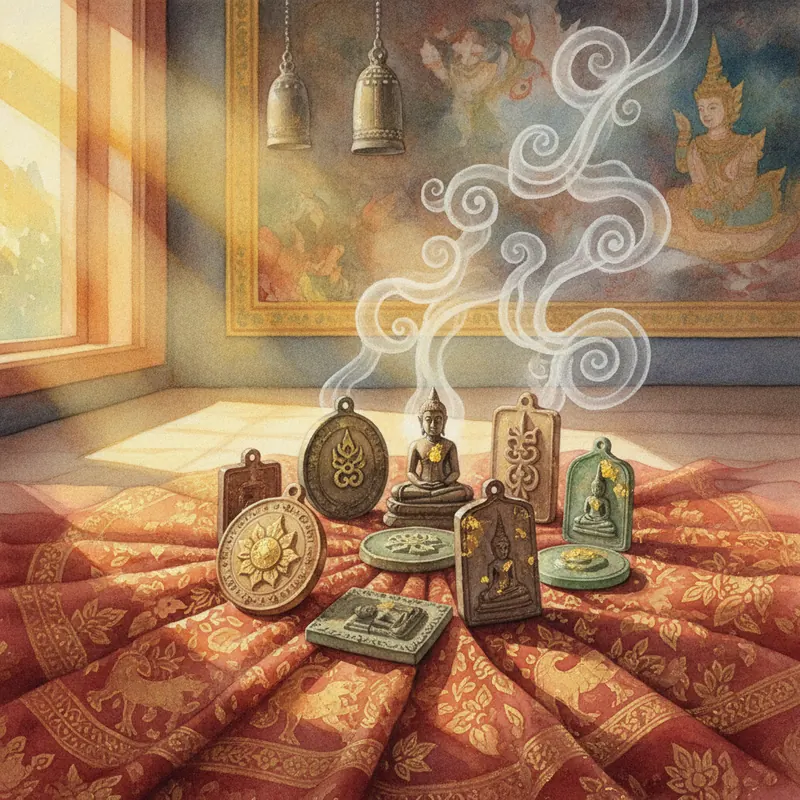
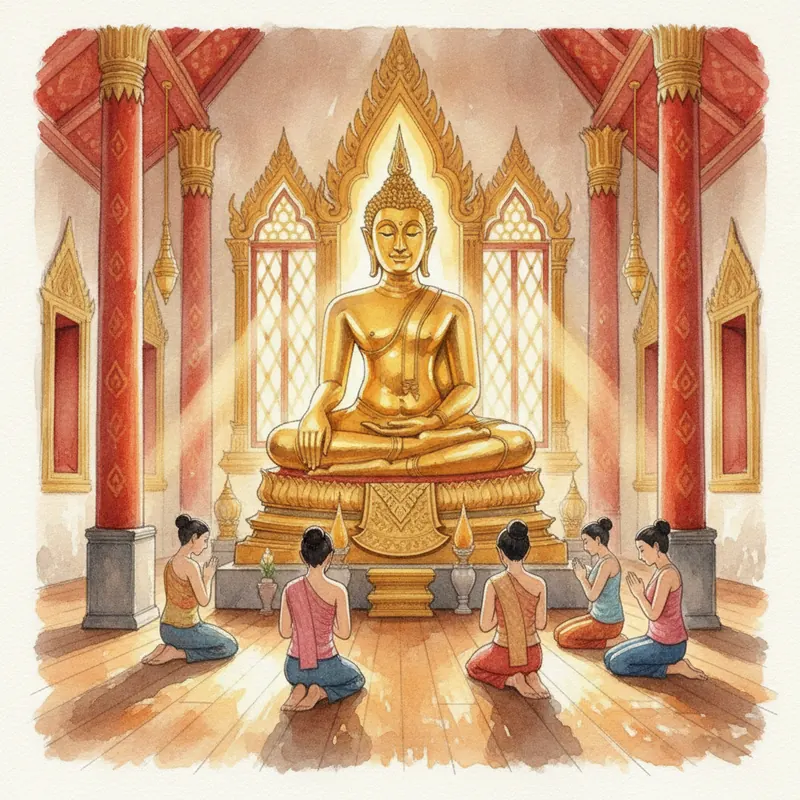
Amulets are considered part of Buddhist belief that has long been blended with Thai culture. According to traditional beliefs, amulets are not merely talismans of power, but reminders to recall the Triple Gem, and serve as a medium for honoring the Buddha, Arahants, and respected revered teachers.
In the past, amulets were often created on important occasions for temples, such as the restoration of an ordination hall, the construction of a stupa, or as a memorial to a revered teacher. The materials used to create them typically consisted of earth mixed with the ashes of monks, Buddhist merit powder, or auspicious herbs, together with engravings of sacred diagrams and mantras according to Buddhist principles.
Amulet Competition Tradition
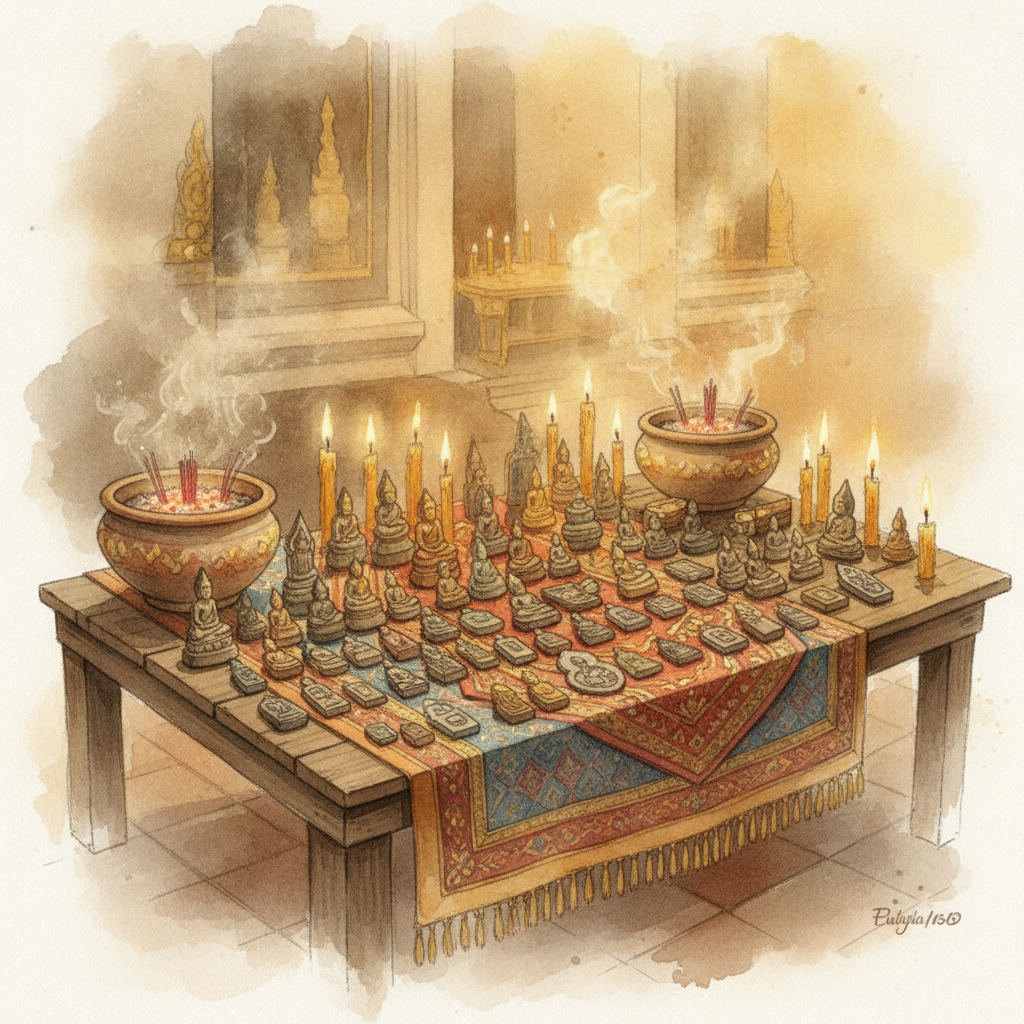
Amulet competitions are activities that have long been popular among collectors and devotees, with the aim of verifying the authenticity, age, and historical value of amulets. Experts use knowledge of archaeology, art history, and modern technology in their verification.
The continued popularity of amulet competitions reflects that Thai Buddhists still place importance on preserving religious and cultural heritage, not only in terms of spiritual sanctity but also in historical and artistic value.
Belief in Modern Society
Although Thai society has changed over time, belief in amulets continues to exist in an adapted form. Many younger people still inherit the tradition of worshipping amulets from their parents and grandparents. Some approach it through a historical and artistic perspective, while others hold to traditional faith.
What is important is to understand that amulets, from a correct Buddhist perspective, should serve as reminders to conduct oneself well, not as a substitute for doing good or practicing the Dharma. True faith should lead to spiritual development and a well-lived life.
Compiled from publicly released news · Source: banmuang.co.th