Making vows and fulfilling vows is one of the deeply rooted beliefs in Thai society for a long time. Whether it is making vows to sacred things to seek blessings in difficult times, or fulfilling vows to keep promises made, they are all rituals with established forms and deep meanings. Understanding correctly from the beginning so that making vows proceeds with true faith and respect.
What is making a vow and what is its origin?
According to ancient Thai belief, making a vow is making a promise between humans and sacred things, whether they are deities, spirit shrines, sacred Buddha images, or things revered locally. The person making the vow requests something specific and promises that if the wish comes true, they will offer something or perform some act in return.
The origin of this tradition comes from beliefs about supernatural powers that protect communities, blended with Buddhism and Brahmanism that influenced Thai society. This makes vow-making practices diverse according to each locality and the sacred things revered. If interested in local beliefs related to this, you can read more at Ban Kaai City Pillar Shrine, the only unique one of its kind in Thailand, which is an example of a sacred place where people commonly make vows.
How to make a vow correctly
Making a vow correctly according to Thai belief is not merely making a casual request for blessings, but involves principles that should be followed completely, as follows:
1. Set your mind firmly before making the vow
Before making a vow, you should calm your mind. You should not make a vow out of greed or desire for things beyond necessity. According to the belief, a good vow should come from faith and sincerity, not from "negotiating" with sacred things for one-sided gain.
2. Specify clearly what you are requesting
When making a vow, you should speak clearly about what you are asking for and for what purpose, such as asking to be healed from illness, asking for smooth work, or asking for family safety. Speaking vaguely without specifying may cause confusion when it comes time to fulfill the vow, not knowing which matter was truly the wish.
3. Specify clearly what you will offer
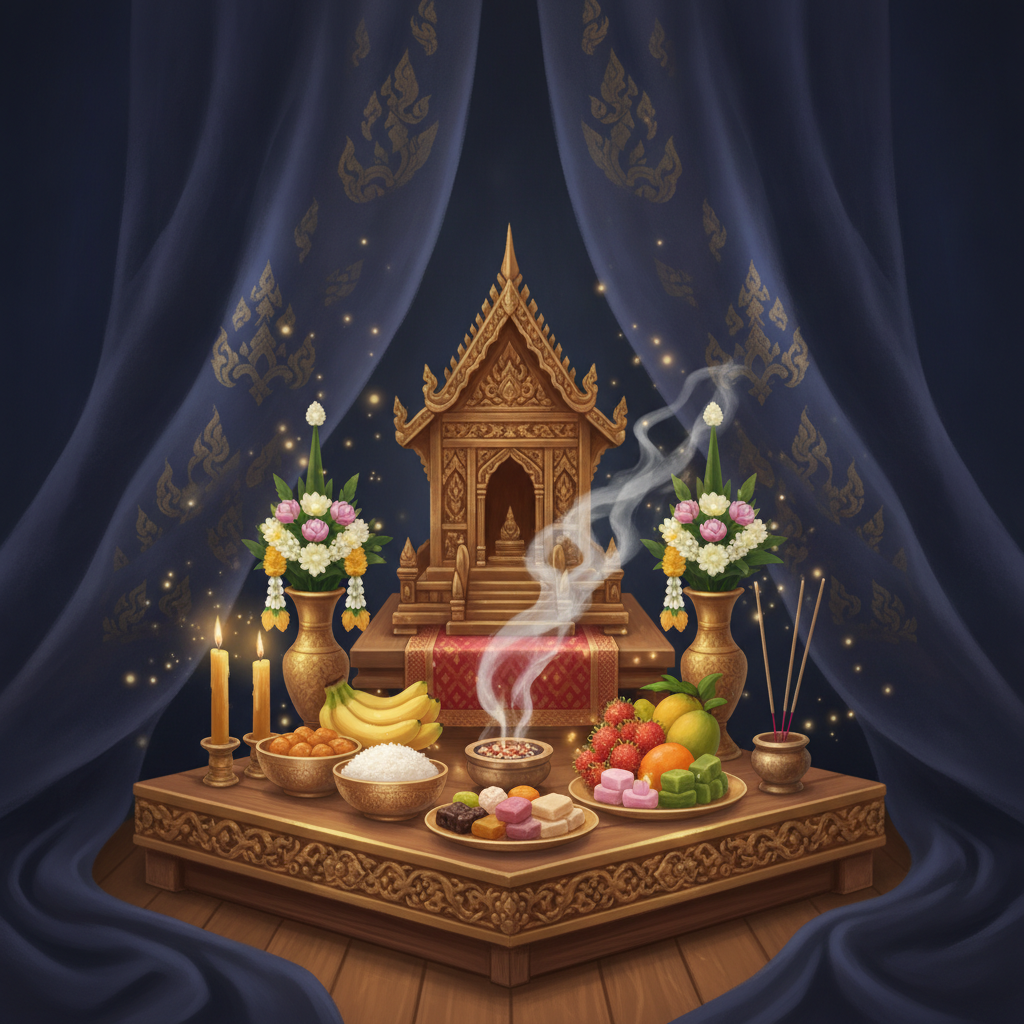
The most important thing in making a vow is clearly stating what you will offer when the wish comes true, whether it is garlands, flowers, fruits, theatrical performances or shadow puppet shows, white elephants, or offerings according to the traditions of that particular place. Do not make a vague vow saying "I will bring something" without specifying what that something is, because when it comes time to fulfill the vow, you won't know what to do.
4. Set a time frame as well
According to Thai belief texts, you should set a time frame in your mind that if the wish comes true within how many days, months, or years, you will come to fulfill the vow, so as not to forget or delay too long.
Things that should not be vowed
According to Thai belief, there are things that should not be offered as vows, including:
- Things that are unethical, such as asking for others to suffer for one's own benefit
- Things beyond one's ability to actually offer, because if you make a vow and cannot fulfill it, it is considered breaking a promise
- Making vows repeatedly at many places without being sure which one the wish was granted by, because it may result in incomplete fulfillment
- Vowing for things that go against nature or are practically impossible
If you want to enhance your fortune in various aspects alongside these beliefs, try using free fortune-telling tools to analyze your initial fate.
How to fulfill a vow correctly
When the thing you requested comes true, fulfilling the vow is considered a duty that must be done promptly. You should not delay or forget, because according to belief, not fulfilling a vow is considered breaking a promise with sacred things, which may have negative effects on life.
General steps to fulfill a vow
- Prepare the offerings according to what you vowed to match exactly what you promised, should not reduce or change without good reason
- Travel to the place where you made the vow by yourself if possible, because it is considered showing respect and sincerity
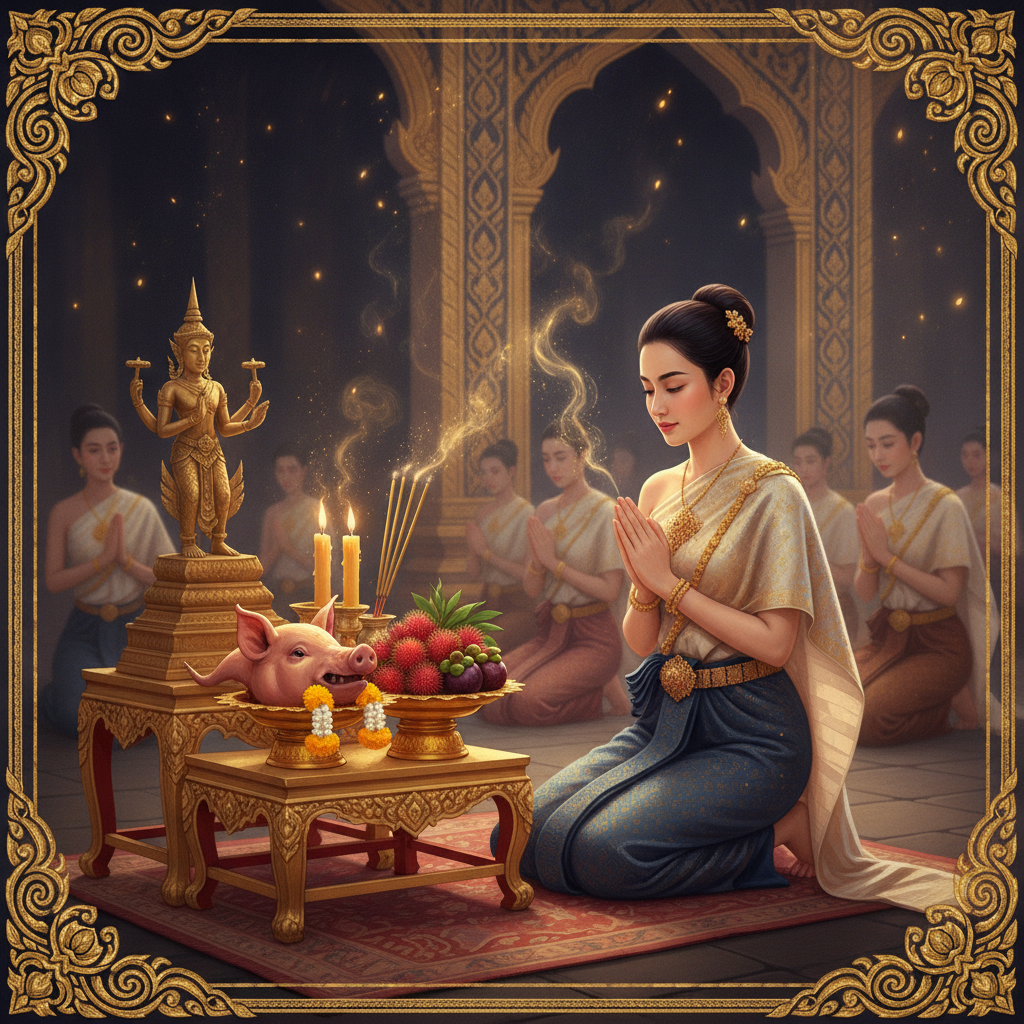
- Recite words of vow fulfillment by informing the sacred thing that your wish has come true and bringing the offerings you vowed to present according to the promise
- Present the offerings and perform rituals according to the traditions of that place, some places may have specific ceremonies such as lighting incense and candles, presenting garlands, or performing entertainment
In cases where you cannot fulfill the vow yourself
If you cannot travel to fulfill the vow yourself, according to belief you can have someone else fulfill it on your behalf, but you must inform the sacred thing that you are sending a representative, and the person going in your place must bring the correct offerings. In some cases, prayers may be made to postpone the vow fulfillment with legitimate reasons, but it should be done as soon as possible when there is an opportunity.
Beliefs about vow-making in different regions
Beliefs about making and fulfilling vows in Thailand differ by region, such as in the Isan region there is a belief about making vows to the Naga and sacred things along the Mekong River, which has distinctive rituals of veneration. You can read more at Worshipping the Naga at Bueng Khong Long, an ancient belief of the Mekong region that Thai people have revered for a long time. In the Central and Southern regions, there are different forms of vow-making according to local sacred things.
In some areas, there is also vow-making to Hindu deities such as Ganesha, which has specific rituals of offering and vow fulfillment. Read more details at Faith overflows at Dhavalai Mahakal, Thai people flock to venerate Lord Ganesha, joining the sacred fire ritual.
This diversity reflects that vow-making does not have a single rigid form. What matters is sincerity, respect, and keeping the promise made to that sacred thing. If you need specific guidance about your fate and rituals suited to you, you can consult with an expert fortune teller to receive advice that matches your life's destiny.
Frequently asked questions about making and fulfilling vows
If I make a vow and it doesn't come true, must I still fulfill it?
According to Thai belief, if you make a vow and what you asked for does not come true, you do not need to fulfill it, because the promise specifies that you will offer something only if the wish comes true. However, some people choose to go and apologize or pray to withdraw the vow, to ease their mind and not feel haunted by it.
If I made a vow and forgot, what should I do?
If you remember that you made a vow but forget the details, according to belief you should go to the place where you made the vow and apologize while bringing appropriate offerings. Some people choose to offer more than they think they vowed to ease their mind and pray that the sacred thing will understand their sincerity.
Can I fulfill a vow for someone else?
According to Thai belief, you can fulfill a vow on someone else's behalf in cases where the person cannot travel themselves, such as being ill or being abroad. The person going in their place must clearly inform the sacred thing with the name of the person who made the vow and pray to let them know that you are fulfilling a vow on their behalf, and bring the correct offerings according to what was vowed.
Making and fulfilling vows is more than ritual, but an expression of faith and sincerity to one's own word. No matter what sacred thing one believes in, what matters most is doing so with a pure heart and keeping the promises made, because that is the essence of belief passed down in Thai society since ancient times. If you want to regularly follow your fate and Thai belief information, subscribe to receive daily personal fortune readings to get beneficial information delivered to you every day.