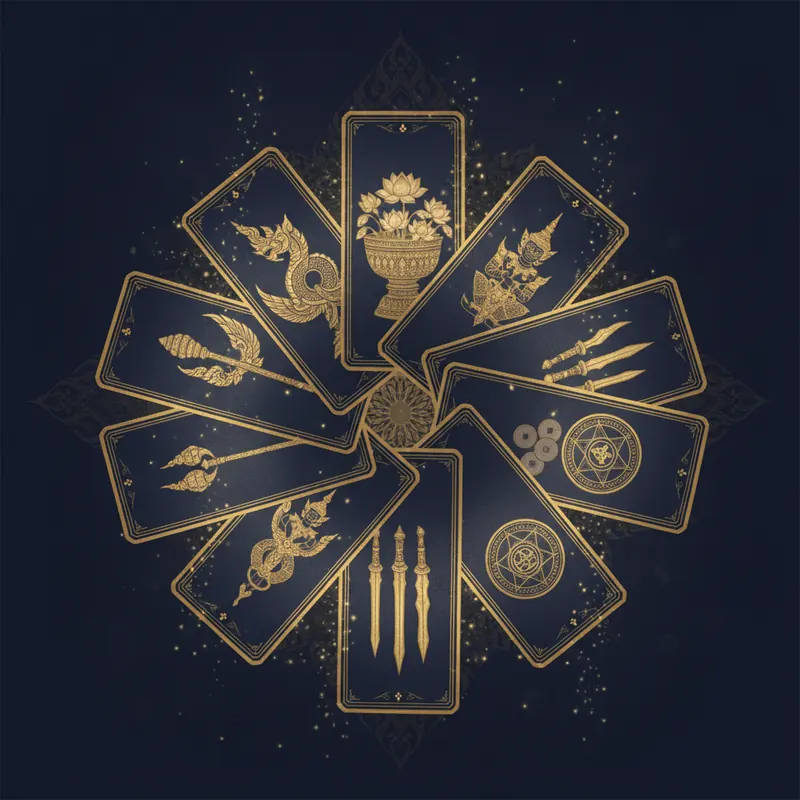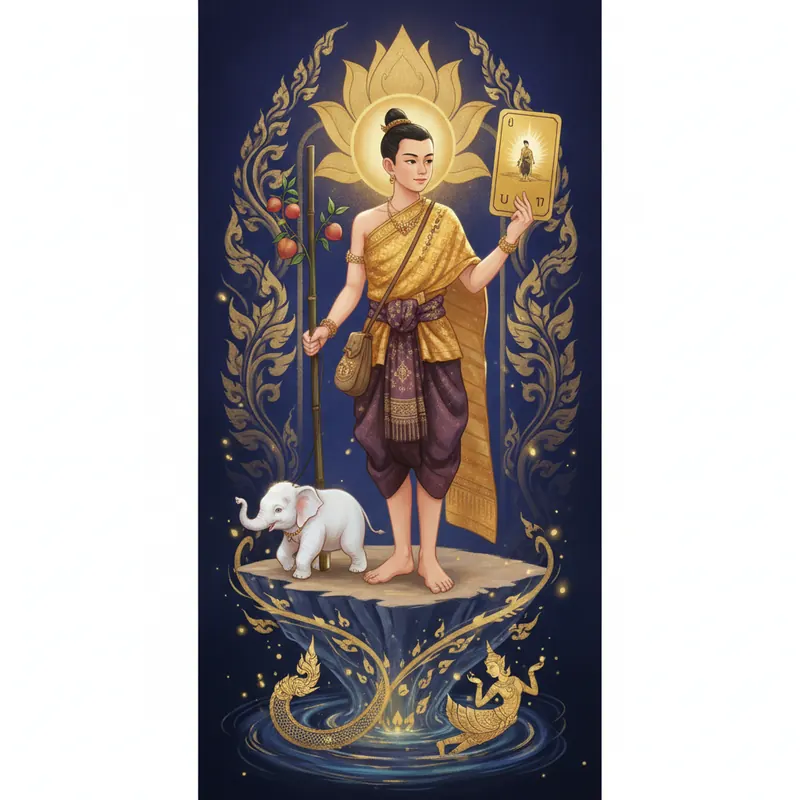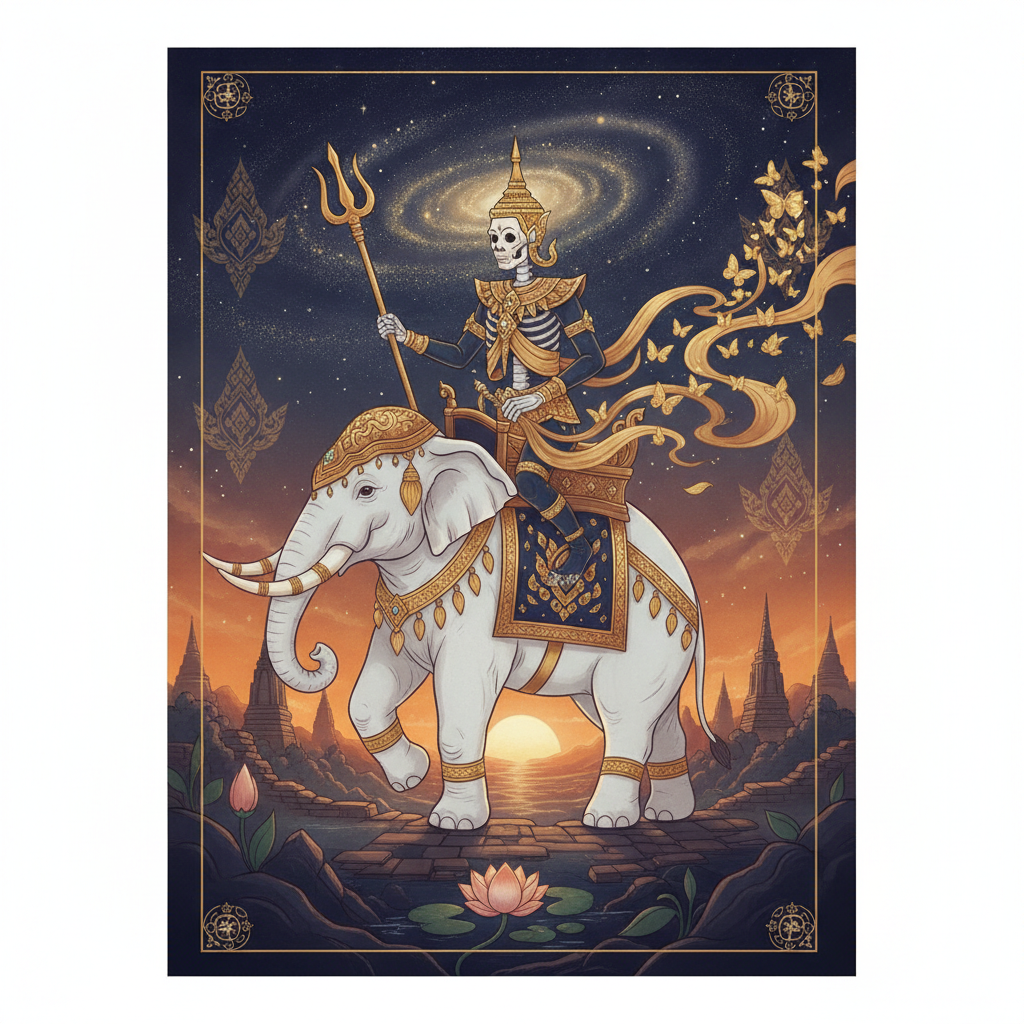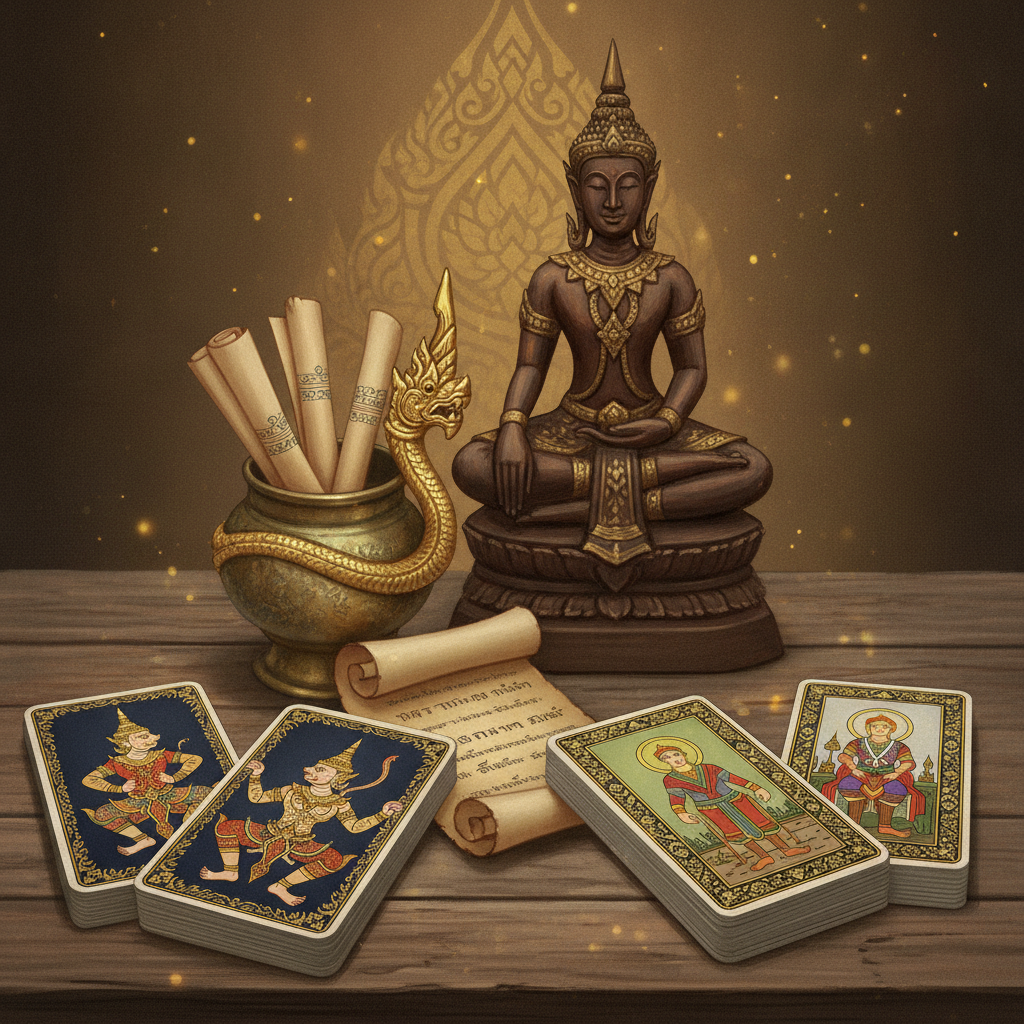
Many people wonder if Gypsy cards and Tarot cards are the same thing, because both are used for divination and fortune-telling in similar ways. However, in truth, the two have different origins, structures, and methods of reading. Understanding this difference will help you choose the right tool for yourself more accurately.
The Origins of Both Types of Cards
Tarot cards originated in Europe during the 15th century, beginning in Italy as a card game. Later, they were seriously adopted for divination during the 18th century by European occultists and esotericists. Tarot cards are connected to many branches of esoteric knowledge, including Kabbalah, Western astrology, and numerology, eventually becoming a system with complex and profound structure.
Gypsy cards, or what some call Lenormand Cards, have a different origin. The name "Gypsy" comes from the image of Romani people (Gypsies) who, according to European belief, were considered natural fortune-tellers. However, the card sets commonly used today were largely influenced by Marie Anne Lenormand, a famous French fortune-teller of the Napoleonic era. Gypsy cards are thus a system that emphasizes straightforwardness and is much easier to read than Tarot.
Structure and Number of Cards Clearly Differ
The most tangible difference between Gypsy cards and Tarot cards is the number of cards and the structure of the deck.
78-Card Tarot
A standard Tarot deck contains a total of 78 cards, divided into two main sections:
- Major Arcana consisting of 22 cards representing large life energies and themes such as The Fool, The High Priestess, The Tower, or The World
- Minor Arcana consisting of 56 cards divided into 4 suits according to elements: Wands (fire), Cups (water), Swords (air), Pentacles (earth), with each suit containing 14 cards
36 or 52 Gypsy Cards
The standard Lenormand-style Gypsy deck contains 36 cards, each representing an object or easily understood symbol such as heart, star, house, tree, bear, ship, etc. Some adapted decks may have 52 cards to match playing cards, allowing for double meanings within the same card.
Methods of Reading and Interpretation
Beyond the number of cards, the methods of reading differ significantly.
Tarot emphasizes symbolic and psychological interpretation. The image in each card has multiple layers including numbers, colors, animals, postures, and backgrounds. The reader must blend personal intuition with the meanings given in reference texts. Sometimes the same card may have entirely different meanings depending on context and placement position. Some traditions also divide meanings according to card orientation: Upright and Reversed.
Gypsy cards follow a more straightforward approach. The meaning of each card is relatively fixed and easily understood. Reading Gypsy cards often emphasizes the relationships between adjacent cards, called "card pairing," which creates sentences that read continuously like telling a story, rather than interpreting individual cards.
If you'd like to try divination with cards or other fortune-telling tools, you can use our free divination tools.
Gypsy Cards and Tarot Cards: Which is Right for You
This question has no fixed answer, but there are rough guidelines as follows:
- Beginners often find Gypsy cards more accessible because the symbols are clear, meanings are not complex, and card pairing is fun like reading a story.
- Those seeking depth often choose Tarot because the system is multilayered and can be interpreted simultaneously in psychological, spiritual, and karmic dimensions.
- Questions about everyday life such as work, love, and money issues—Gypsy cards often provide direct and quick answers.
- Deep questions about identity or life path—Tarot usually offers broader and more comprehensive perspectives.
For those interested in divination and beliefs in the Thai context, you might try studying what is Siam Si? How to draw properly + reading Siam Si cards yourself to compare with Western-style card divination as well.
Beliefs and Energy Behind the Cards
According to the beliefs of users of both card types, cards are not merely ordinary paper but mediums that help connect the querent's subconscious mind with surrounding energy. Some texts say Tarot works through the principle of Synchronicity, or meaningful coincidence, while Gypsy cards according to traditional belief emphasize the energy of the reader and the relationship between reader and querent.
Something important that all card users should remember is that cards are tools to help reflect thoughts and trends, not final determinants of fate. The results depend on interpretation and application in each person's real life as well.
If you want deeper guidance from experts who combine multiple disciplines, consider divination with experienced masters.
Gypsy Cards and Tarot Cards in Thai Context
In Thailand, the popularity of both card types has grown significantly over the past decade, especially among younger generations interested in mysteries and self-development. Tarot is often used in a psychological sense and for self-questioning, while Gypsy cards are popular among those seeking answers about love and relationships in particular.
Interestingly, many people use cards alongside Thai astrology such as checking one's birth date first, then using cards to expand on details—an interesting blend of Eastern and Western knowledge. For those interested in Thai esoteric studies in parallel, you might read Name analysis according to Thaksa principles: A good name leads to victory by half to gain fuller understanding of Thai astrology.
Frequently Asked Questions About Gypsy Cards and Tarot
Can Gypsy cards and Tarot be used interchangeably?
Not directly, because the two have different systems and structures. Tarot has 78 cards with a complex Arcana system, while Gypsy cards have 36 cards and emphasize card pairing. Using the reading method of one type on the other will produce inaccurate results. You should learn the system of each type separately.
Which type should beginners start with?
According to many card readers, Gypsy cards are more suitable for beginners because the symbols are easy to understand and you don't need to memorize many meanings. However, if you're interested in psychological dimensions and self-development from the start, Tarot is also a good choice. It depends on which system attracts you more.
How accurate is divination with cards?
According to practitioners, accuracy depends on several factors including the reader's skill, the clarity of the question, and the querent's mental state at the time. Cards are not an absolutely certain divination tool, but rather a mirror reflecting trends and possibilities. For more comprehensive guidance, you can subscribe to personalized daily readings to track life trends each day.
In summary, Gypsy cards and Tarot cards are divination tools with different appeals. Neither is entirely better than the other; it depends on your purpose and aptitude. What matters most is learning the system of the cards you choose seriously and using them as tools to explore yourself and your surroundings, rather than waiting for the cards to decide your fate for you.