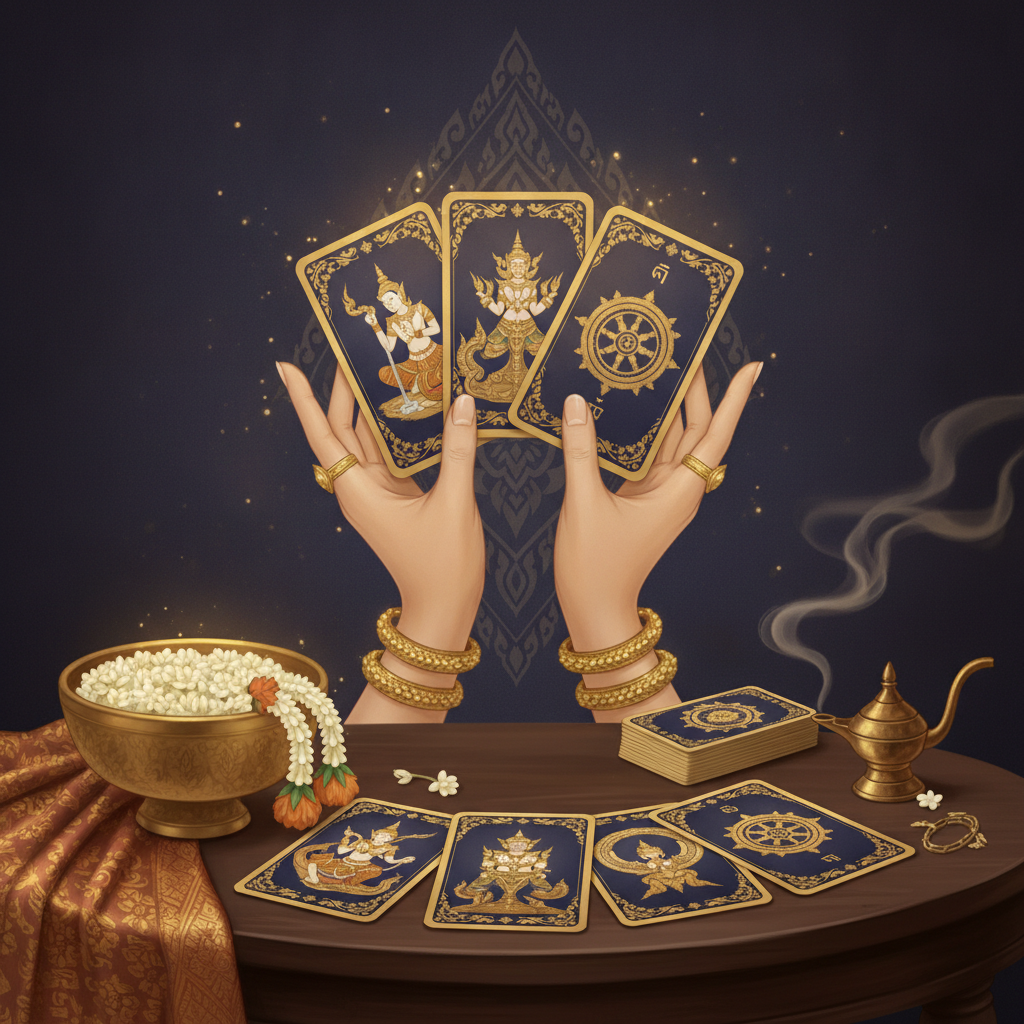
Many people want to start doing daily tarot readings but don't know how, worry about misinterpreting the cards, or doubt whether they can do it themselves. In fact, reading tarot on your own in everyday life is something anyone can access—you just need to understand the basic principles and practice consistently. This article will guide you through how to do daily tarot readings from start to finish, so you can begin with confidence.
What is Tarot and Where Does It Come From?
Tarot originated in Europe during the 15th century, beginning as an ordinary card game before being used for divination and fortune-telling purposes in the 18th century. According to Western astrology texts, each tarot card is connected to zodiac symbols, planets, and universal energies, making tarot a tool favored by astrologers and fortune-tellers worldwide to this day.
A standard tarot deck contains 78 cards in total, divided into two main sections: the Major Arcana with 22 cards, representing major energies and significant life events, and the Minor Arcana with 56 cards, representing everyday events and situations around you. Understanding this structure will help you interpret the cards more accurately.
For those interested in traditional divination practices, you might also consider learning more about what siam see is, its origins, the correct way to draw it, and how to understand the slips, which is another divination tool with deep-rooted spiritual foundations.
Preparing Before Your Daily Tarot Reading
Good preparation is essential for doing daily tarot readings that yield clear results. According to tarot practitioners, a calm mind and steady focus help energy flow well, allowing the cards you draw to better reflect your true situation.
Choosing an Appropriate Place and Time
Select a quiet, undisturbed location. Many tarot practitioners recommend early morning after waking, when your mind is fresh and hasn't been disrupted by the day's events. Alternatively, you can read in the evening before bed to review what has passed and prepare for tomorrow.
Cleansing the Energy of Your Cards
According to practitioners' beliefs, you should cleanse your cards' energy before each use. Popular methods include placing the deck in moonlight during a full moon, passing sage or smudging smoke through the cards, or simply holding the entire deck and setting an intention to clear any lingering old energy.
Setting Your Intention and Defining Your Question
Before drawing cards, close your eyes, take 3-5 slow, deep breaths, and ask your question clearly in your mind. For daily readings, good questions should be open-ended, such as "What should I focus on today?" or "What energy will come with me today?" rather than yes-or-no questions.
The Simplest Method for Daily Tarot Reading
For beginners, doing daily tarot readings with a single card pull is the most suitable method because it's simple, easy to interpret, and doesn't take much time.
Steps for Drawing a Card
- Shuffle the deck slowly while keeping your mind focused on your question
- Shuffle until you feel ready, or until the cards seem to "tell" you to stop, following your intuition
- Lay the cards face down in a row, then move your hand over them until you feel drawn to a particular spot and draw that card
- Flip the card over and notice your first impression of the image. Your first feeling is often the most important
Interpreting the Card You've Drawn
Once you have a card, observe the image elements, colors, characters, and symbols before opening a guide. Ask yourself, "How does this image make me feel?" Then read the meaning from a guide or trusted reference. According to tarot practitioners, the best interpretation is a blend of the card's traditional meaning and your own intuition.
If you'd like additional interpretation tools or fortune-telling methods, try our free divination tools that gather various types of fortune-telling in one place.
Recording and Tracking Your Daily Tarot Results
What will help you develop your daily tarot reading skills fastest is keeping records. Experienced tarot practitioners recommend preparing a tarot journal and recording the following information every day:
- Date and time of your reading
- The card drawn and whether it's upright or reversed (reversed cards often have inverted or weakened meanings)
- Your first feeling when you see the card
- Your interpretation as you understood it that day
- What actually happened that day to compare with your reading
Reviewing these records after a month has passed will help you see patterns and develop your interpretation skills clearly. It will also help you understand which cards often appear during times when you feel a certain way.
Precautions and Proper Practice Guidelines
Although daily tarot reading is something you can do yourself, there are precautions worth knowing.
- Don't read again the same day if you're unhappy with the result, because according to belief, frequent re-readings confuse the energy and make results unclear
- Don't interpret too literally. Tarot cards are symbols and guidance, not definitive commands. Use them as inspiration for decision-making, not rigid rules
- Watch your mental health too. If you find yourself relying on tarot too much and becoming anxious when you don't read, it may be time to take a break
- Store your cards properly. According to belief, you should keep your cards in clean cloth or a box and not let others handle them without permission
On days when you need deeper guidance beyond daily readings, consulting with an expert fortune-teller may be an option that gives you a more complete and accurate perspective.
If you're interested in fortune-boosting in other areas, articles on auspicious items for your desk to boost career fortune and advancement and auspicious colors for your birth day, wear them to enhance life fortune, luck, and career offer interesting approaches you can apply together.
Frequently Asked Questions About Daily Tarot Reading
Do I Need Special Talent to Read Tarot for Myself?
According to most tarot practitioners, everyone has intuition within them. Tarot is simply a tool that helps draw out that intuition. You don't need special talent, but you do need practice and patience. The more frequently you read and record results consistently, the more your interpretation accuracy will naturally develop.
Which Tarot Cards Should I Fear, Like the Death Card?
According to traditional tarot texts, seemingly scary cards like The Death or The Tower don't literally mean something bad always happens. The Death usually represents change and the ending of something to begin anew. The Tower may represent revelation of truth or sudden transformation. Every card has both positive and cautionary aspects, depending on context and interpretation.
Should I Read Tarot Daily Every Single Day?
Doing daily tarot readings every day is possible and beneficial for practice, but you should do it with a relaxed mind, not anxiety. On days when you feel tired or unprepared, you can skip without any negative effects. What matters most is reading with calmness and openness to what the cards communicate, not reading to get the answer you want to hear. If you'd like ongoing personalized daily guidance, subscribing to personal daily fortune readings is another interesting option.
Daily tarot reading by yourself is starting a conversation with yourself, taking a pause from life's rush to listen to your inner voice for a moment. Whether you believe in the power of tarot or view it as a tool for self-reflection, what you gain from this practice is greater awareness and deeper self-understanding. Start with one card, one day at a time, and you'll discover that tarot has much more to teach you.