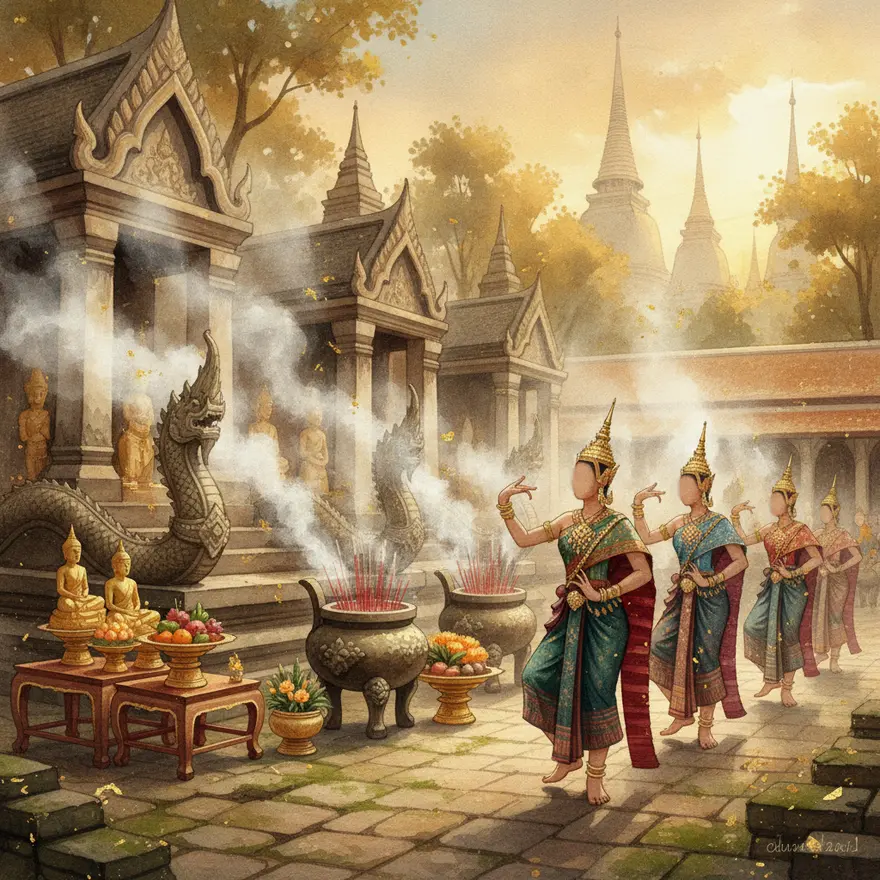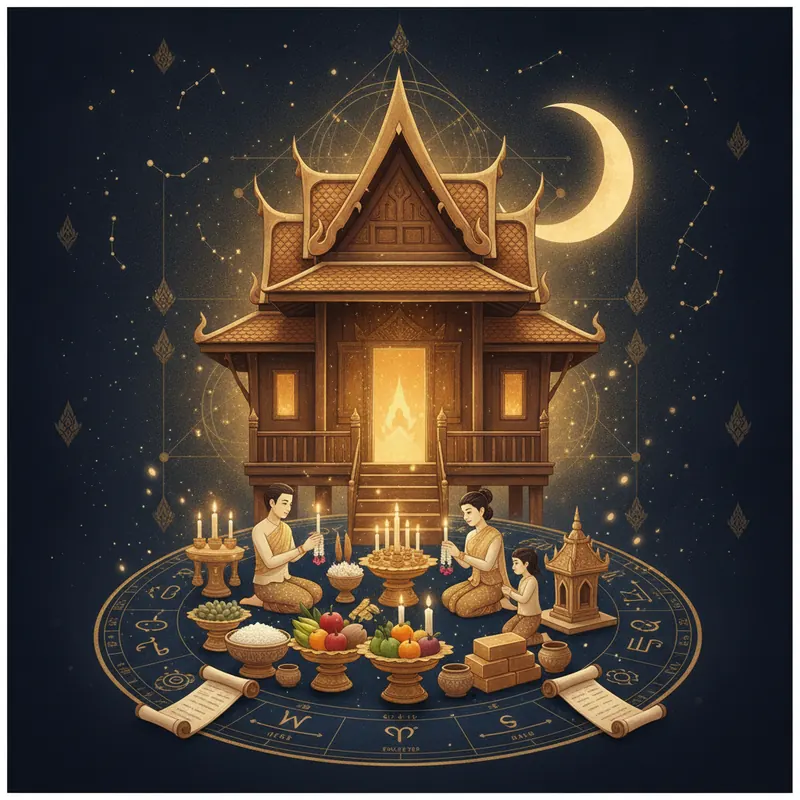
As the old year draws to a close and the new year approaches, many Thai families observe an important traditional activity: cleaning the spirit shrine. This is not merely a matter of tidying up the house, but carries deep spiritual significance and reflects beliefs passed down through generations.
The Origin of the Belief in Cleaning the Spirit Shrine
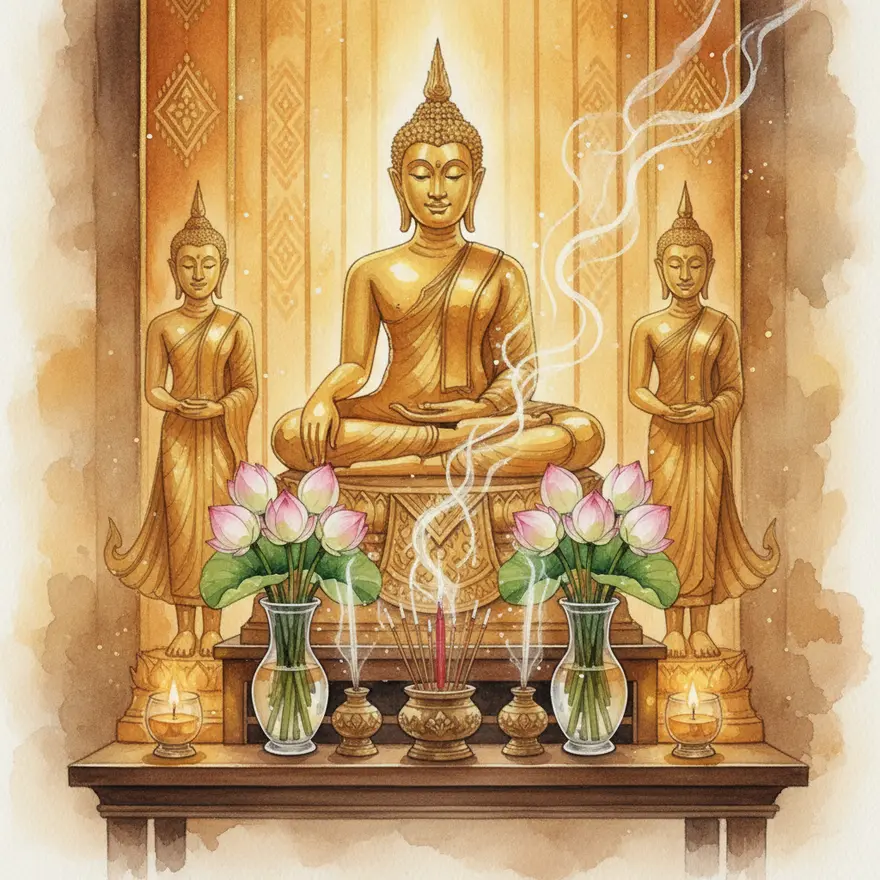
According to Thai traditional beliefs, the spirit shrine is considered the most sacred point in a home, where Buddha images, amulets, and various sacred objects that the family reveres are enshrined. Over time, dust and dirt naturally accumulate. However, for ancient Thai people, this dust did not merely represent physical dirt.
In the view of Thai wisdom, dust accumulated on the spirit shrine is also likened to old stagnant energy, including suffering, anxiety, and misfortune from the past year. The act of cleaning thus carries the meaning of "sweeping away" these things, so that the home and the hearts of family members may become pure and clean.
Buddhist Teachings That Correspond
Although Buddhism does not directly teach about luck and fortune, maintaining the cleanliness of a worship place is an expression of reverence and mindfulness. The Tripitaka mentions cleanliness and orderliness in several places, particularly in the Vinaya Pitaka which teaches monks to keep monasteries clean.
Cleaning the spirit shrine thus reflects a mind that reveres the sacred and cultivates mindfulness in caring for one's surroundings. When the mind is orderly, life tends to proceed well, which may be the origin of the belief about "opening the way to fortune."
How to Observe the Tradition
According to the belief, cleaning the spirit shrine should be done with respect and intention, not hastily. One should begin by paying respects and asking permission from the Buddha image and sacred objects. Then carefully lower the Buddha image and clean it with soft, clean cloth. Some families use clean water mixed with fragrant flowers to add a pleasant scent and sense of purity.
After cleaning the Buddha image, one cleans the shrine itself, changes the shrine cloth, arranges fresh flowers, incense and candles, and carefully returns the Buddha image to its place. Some will chant a blessing to the Triple Gem after completing the cleaning, to invite the grace of the Buddha into the home.
Symbolic Meaning
Beyond the belief in dispelling misfortune, cleaning the spirit shrine is also a symbol of new beginnings, like washing away old negativity and opening one's heart to receive good things in the coming year. It is a reminder to oneself to abandon negative thoughts, anger, and emotional wounds from the past year.
In Thai astrology, cleaning the home and spirit shrine before the new year is considered an adjustment of auspicious timing for the dwelling, helping energy in the home circulate well without becoming stagnant or heavy. When energy is good, the people in the home enjoy good mental health, have courage for their work, which leads to success and prosperity.
Lessons for Modern Times
Although modern times hold diverse beliefs, the tradition of cleaning the spirit shrine still retains value that can be adapted for contemporary use: cultivating awareness in caring for the sacred things one reveres, spending time together as a family, and taking a break from chaos to calm the mind.
Whether or not one believes in luck and fortune, having a clean home, a peaceful heart, and respect for the sacred are all good foundations for beginning a new year with meaning. Because ultimately, true fortune is a prepared mind and continuous effort, which can begin by taking care of the small things around us first.
Compiled from publicly released news · Source: www.thairath.co.th