When life faces difficulties, stalled progress, or a sense that destiny is not favorable, many people turn to spiritual beliefs. One Thai tradition that continues to remain popular is "entrusting one's fate beneath the Buddha image," which is believed to be a request for the Buddha statue or sacred object to protect and guide one through difficult times.
The Meaning of Entrusting One's Fate
According to traditional belief, "fate" refers to one's destiny or fortune. To "entrust one's fate" is thus to place one's life and karma under the care of a sacred object, particularly a revered Buddha image or religious amulet in which one has faith. It is believed this will help prevent harm, eliminate negativity, and bring one's life back to smooth passage.
Methods of Entrusting One's Fate According to Belief
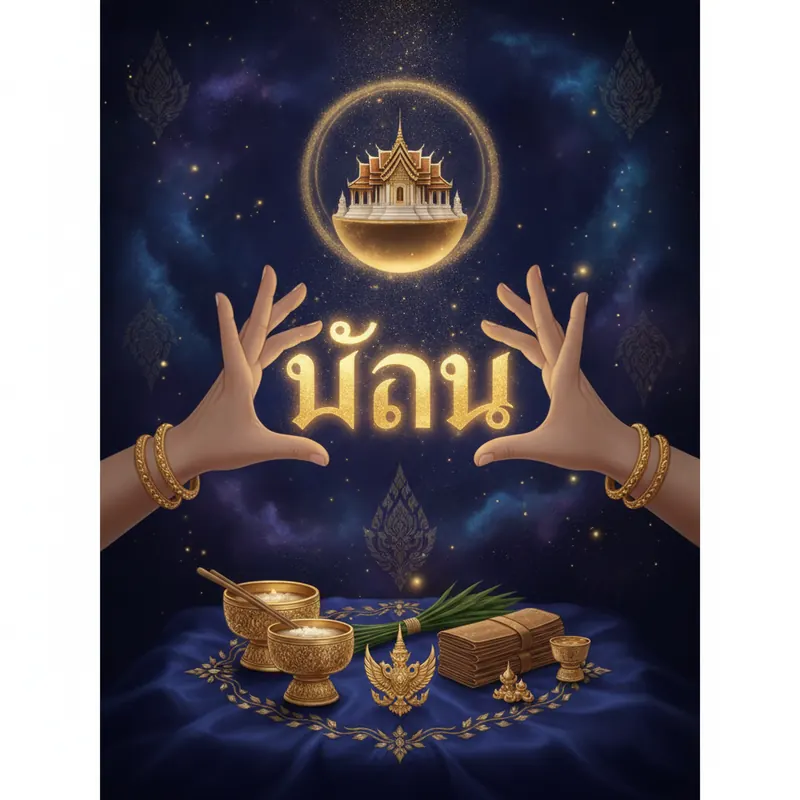
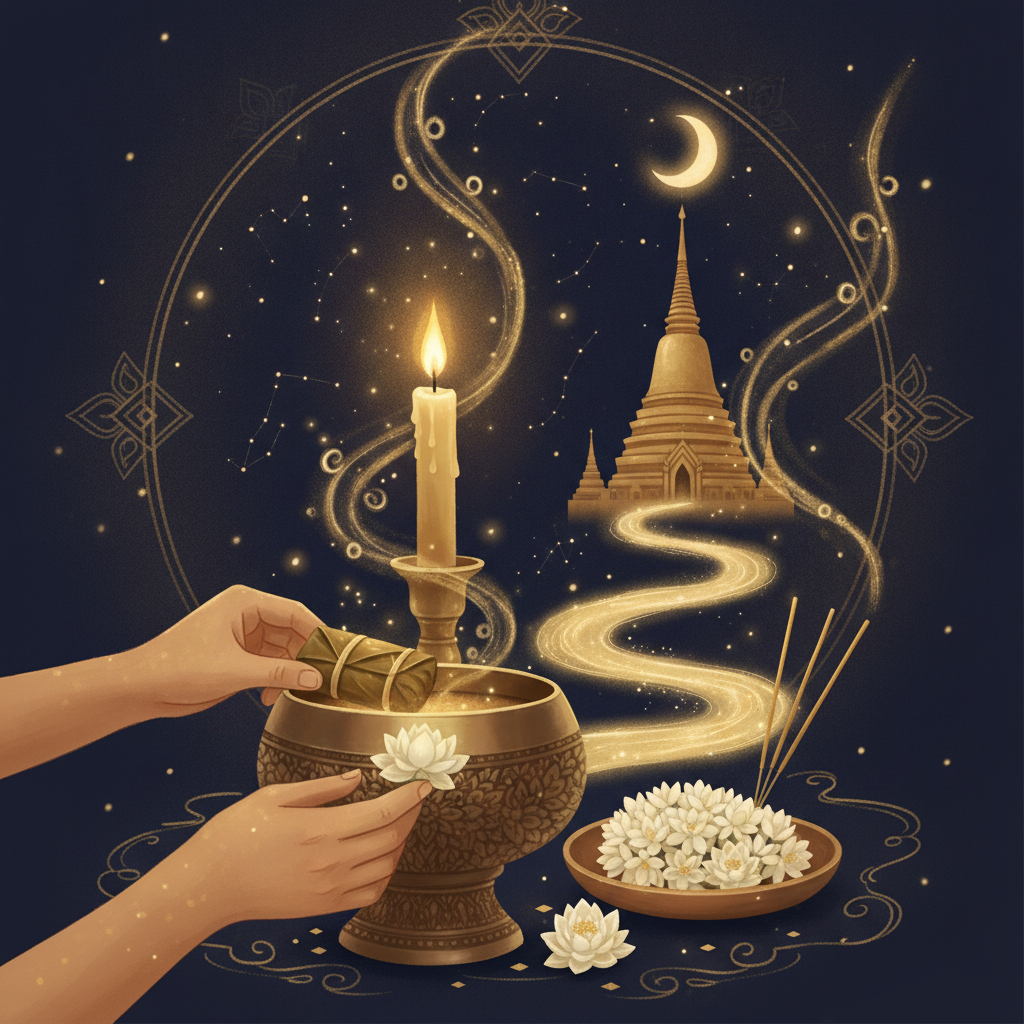
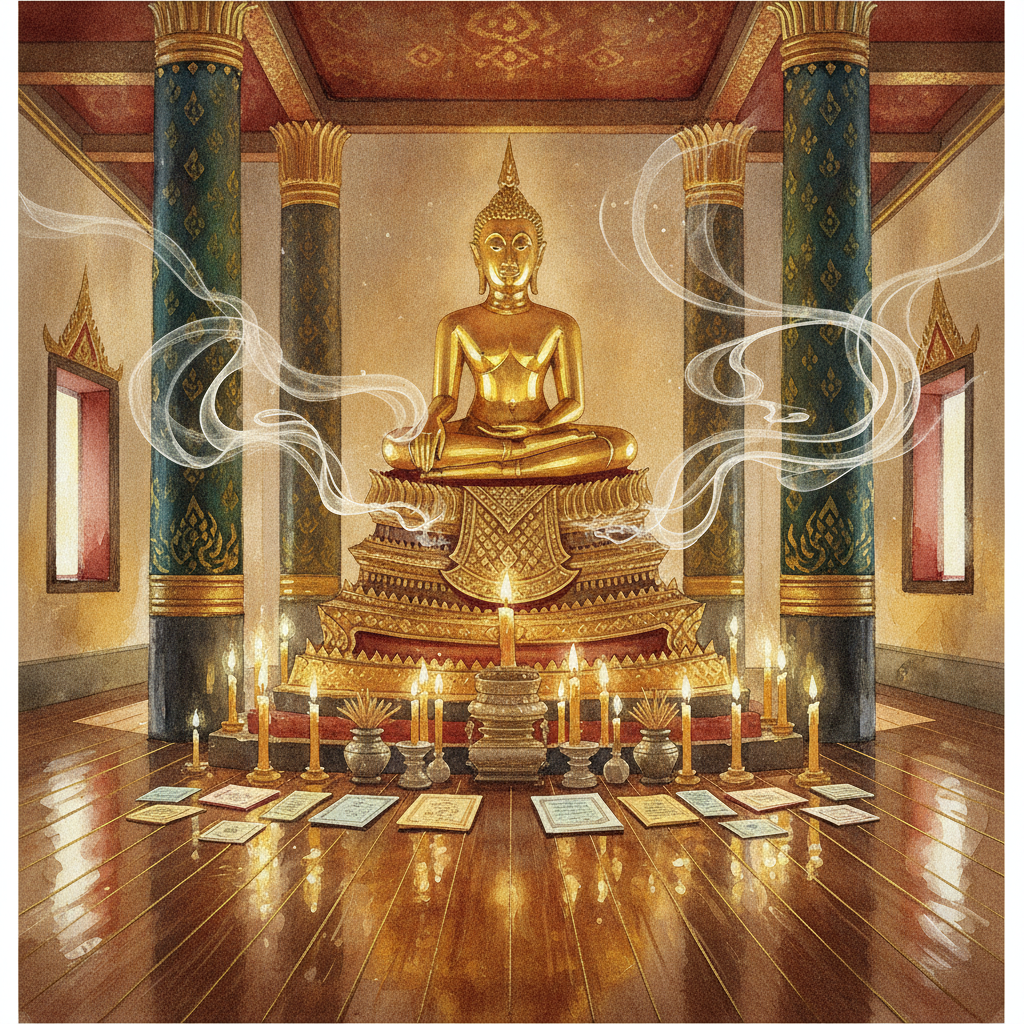
Entrusting one's fate beneath the Buddha image takes various forms, but the key principle involves writing one's name, surname, date of birth, and sometimes one's identification number on paper, cloth, or metal sheet, then placing it beneath the Buddha image or religious amulet in which one has faith. Some places may conduct specific ceremonies performed by Buddhist monks.
People commonly entrust their fate during periods when they feel life is not smooth, such as inauspicious years, years of karma, or during consecutive misfortunes. The belief holds that once one has entrusted their fate, one should maintain moral precepts, calm the mind, and conduct oneself righteously so that the Buddha can provide full protection.
Psychological and Faith Perspectives
From a psychological angle, entrusting one's fate may serve as a spiritual anchor during difficult times, giving the practitioner confidence and courage to face problems. At the same time, it serves as a reminder to be mindful of one's actions, as one believes a sacred force is watching over them.
However, the most important aspect of entrusting one's fate is faith and genuine intention—not merely performing a ritual and then becoming complacent. Rather, it must be coupled with effort in conducting one's life, doing good deeds, and solving problems with wisdom, in accordance with Buddhist teaching that "oneself is one's own refuge." Thus belief serves merely as a psychological driving force to help us overcome crises.
Popular Places for Entrusting One's Fate
Temples or sacred places renowned for entrusting one's fate typically enshrine Buddha images or religious amulets widely recognized as having long-standing sacred power. Some have senior monks or venerable masters who provide guidance and perform ceremonies according to proper ritual protocol. Those interested should study the information and choose a place in which they have genuine faith.
Entrusting one's fate is thus more than superstition, but rather an expression of faith in the Three Jewels and a reminder to conduct one's life with mindfulness, awareness, and virtue at all times.
Compiled from publicly released news · Source: www.thairath.co.th