Festival of Faith: 9 Nights
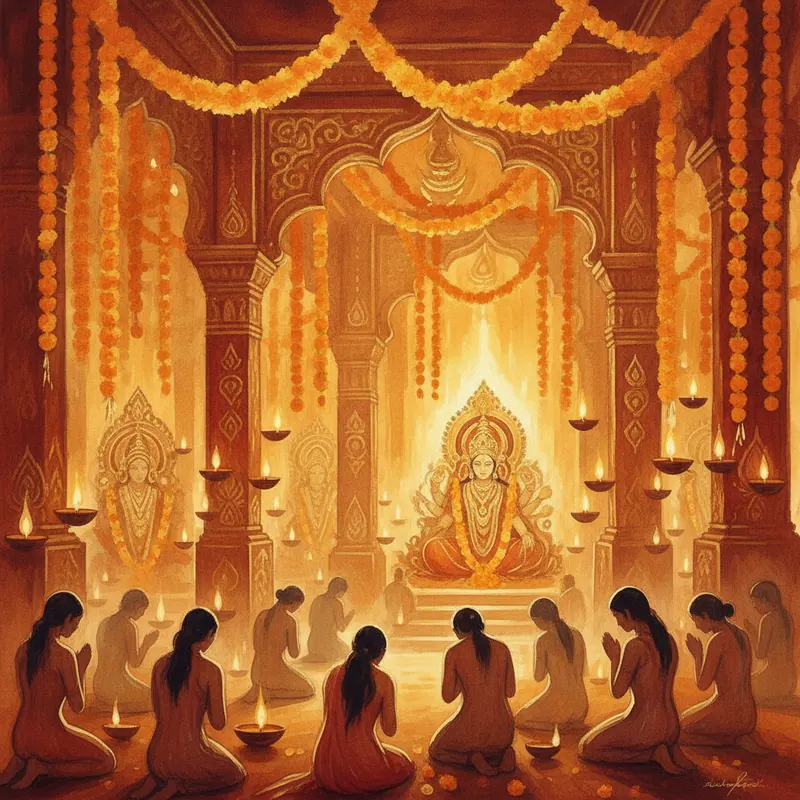
During this period, Hindus around the world are preparing for Navaratri, one of the most important rituals in Hinduism. The word "Navaratri" comes from Sanskrit, where "Nava" means nine and "Ratri" means night, together meaning a period of 9 nights of worship of Devi Mata, a powerful goddess in Hindu belief.
This festival is held to honor and venerate Devi Mata in various forms. Believers hold that Devi Mata is the power of the universe, the creator, protector, and destroyer of evil. Throughout these 9 nights, Hindus perform various rituals to express devotion, seek blessings, and ask for protection from Devi Mata.
The Spiritual Meaning of the 9 Nights
According to Hindu scriptures, Navaratri is divided into 3 periods of 3 nights each. Each period has different meanings and goddesses that are worshipped. The first 3 nights are devoted to Durga Mata, the powerful goddess of destroying evil. The middle 3 nights are devoted to Lakshmi Mata, the goddess of wealth and prosperity, and the final 3 nights are devoted to Saraswati Mata, the goddess of wisdom and arts.
On each night, believers observe certain fasting practices, recite mantras, meditate, and dance to sacred music. Garba and Dandiya dances are important activities that Hindus perform together during Navaratri, as they believe that circular movements symbolize the cycle of life and the rotation of the universe.
Daily Colors and Their Meanings
An interesting aspect of the Navaratri festival is that each day has its own distinct color, and each color carries symbolic meaning. For example, orange represents strength and courage, white represents purity, red represents love and passion, and blue represents peace and stability. Believers dress in the day's designated color to show respect and to receive energy from Devi Mata.
Fasting during Navaratri has several levels. Some people abstain from all food and drink only water, while others abstain from only certain types of food, such as meat, grains, and instead consume fruits, legumes, and milk. According to belief, fasting helps purify the mind and body, bringing one closer to the divine.
A Festival Connecting Culture and Belief
Navaratri is not merely a religious ritual, but also a time of gathering for family and community. People come together to make merit, recite mantras, dance, and share food. It is a time of joy, unity, and the renewal of faith.
In many parts of India, the Navaratri festival concludes with Dussehra on the 10th night, a day celebrating the victory of Rama over the demon Ravana, and the victory of Durga Mata over the demon Mahishasura. It is a symbol of the triumph of good over evil, of light over darkness.
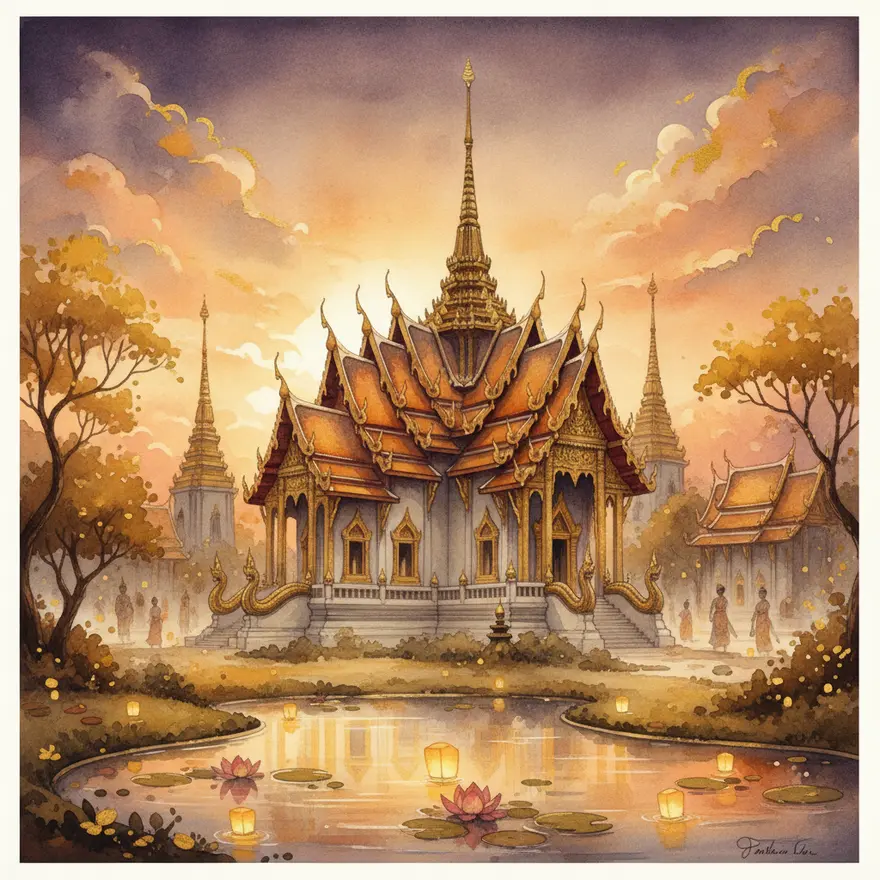
For Hindus living in Thailand, the Navaratri festival remains important, with rituals performed in various Hindu temples and communities. This continues tradition and preserves cultural identity within a multicultural society, demonstrating the diversity of beliefs and rituals that coexist in Thai society.
Compiled from publicly released news · Source: Facebook